
Thoughts, Behaviour and Emotions
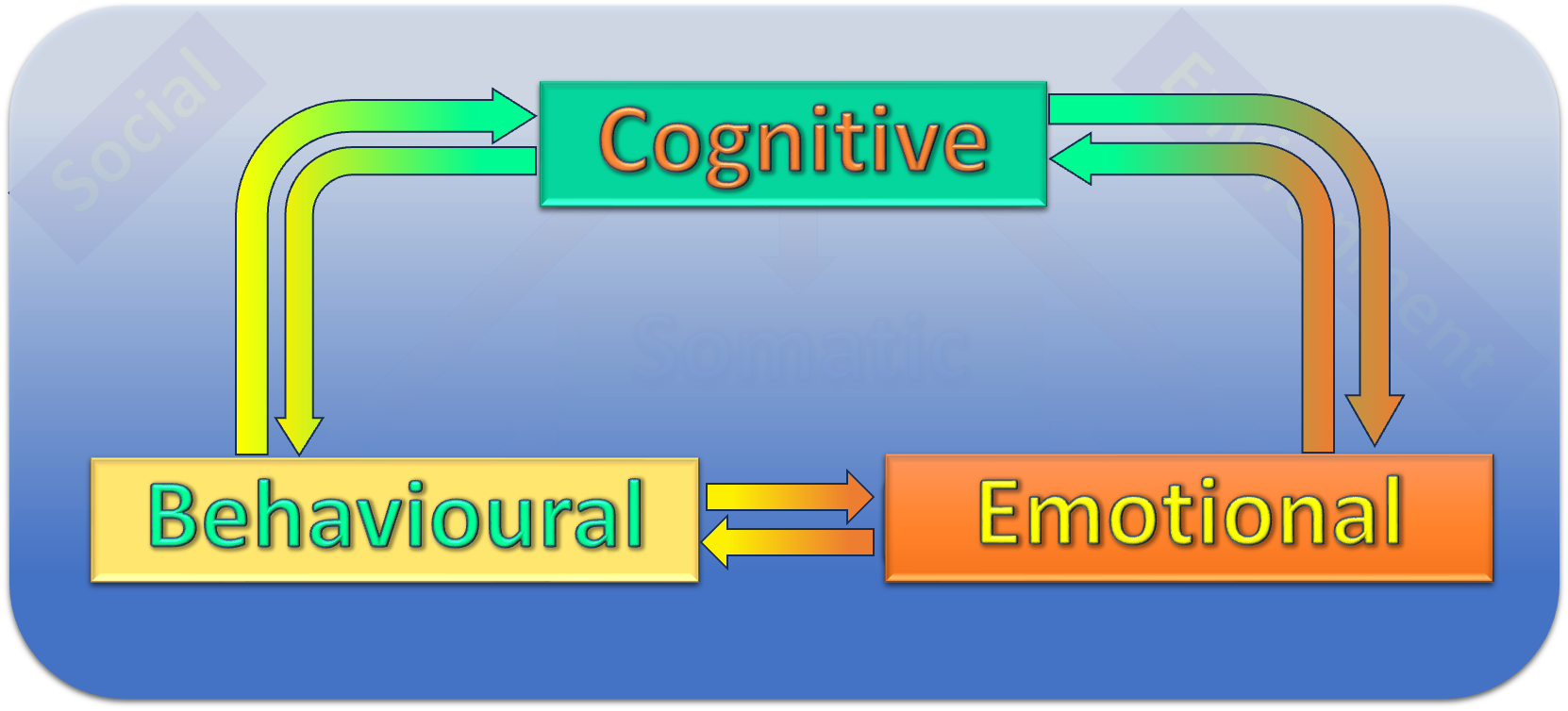
Figure 1 offers a simple starting point. Human functioning is not best understood as reason on one side and emotion on the other. Thoughts, behaviours and emotions exist in continuous interaction. What we think influences what we feel and do; what we feel shapes what we notice, how we interpret events and what actions we take; and what we do in turn alters both our feelings and our thinking. Any serious account of democratic life must therefore take emotional life seriously rather than treating it as secondary to reason.
Although we may not directly control every emotion that arises, we can learn to work with emotion more wisely through thought, reflection, habit and conduct. This is the point at which emotional intelligence becomes important.